





Bitcount is the only pixel font you’ll ever need.
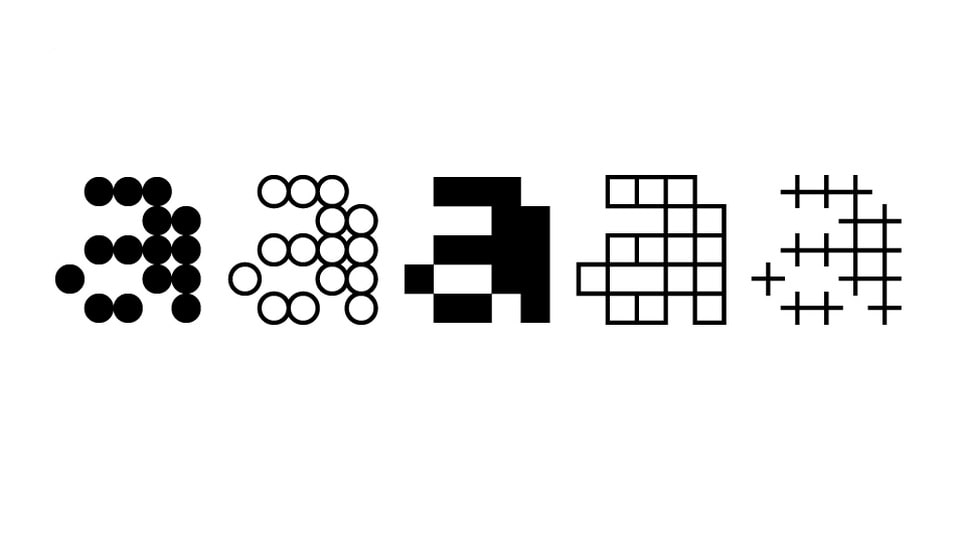
Bitcount is a family of styles, where the core shape of letters has been reduced to the minimal number of pixels possible. We need at least 5 vertical pixels of x-height to draw “a” and “e”. Adding the minimum of 1 pixel as ascender and 1 pixel as descender, the minimum grid is 5 pixels wide and 7 pixel high.
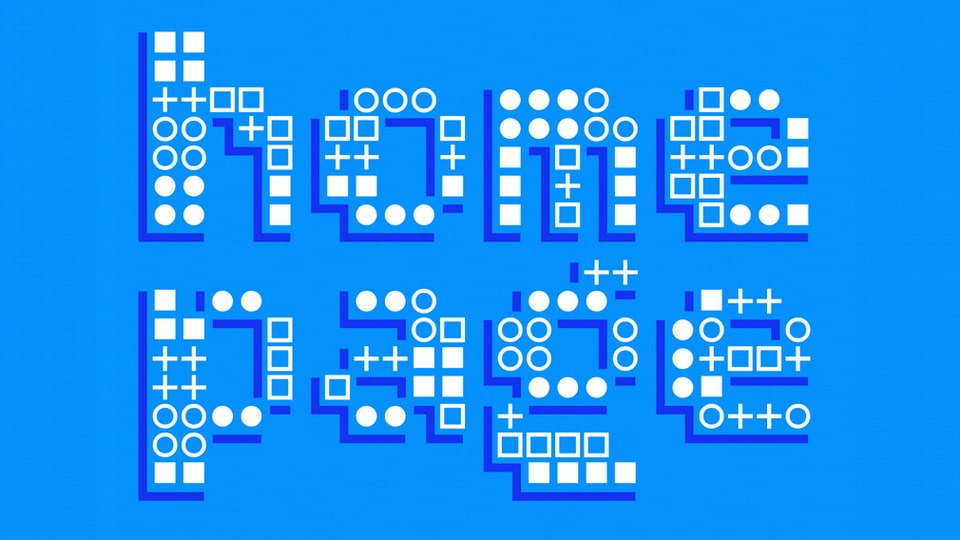
The large number of styles in the Bitcount family come from the virtually infinite amount of variations that are possible, even with this small amount of 35+ pixels. The styles vary is articulation of accent shapes, one or two pixel stems, roman or slanted, normal or condensed. And all of this with a range of pixels shapes, such as large/small circles and large/small squares.
There are many ways to use Bitcount. To name a few from practice:
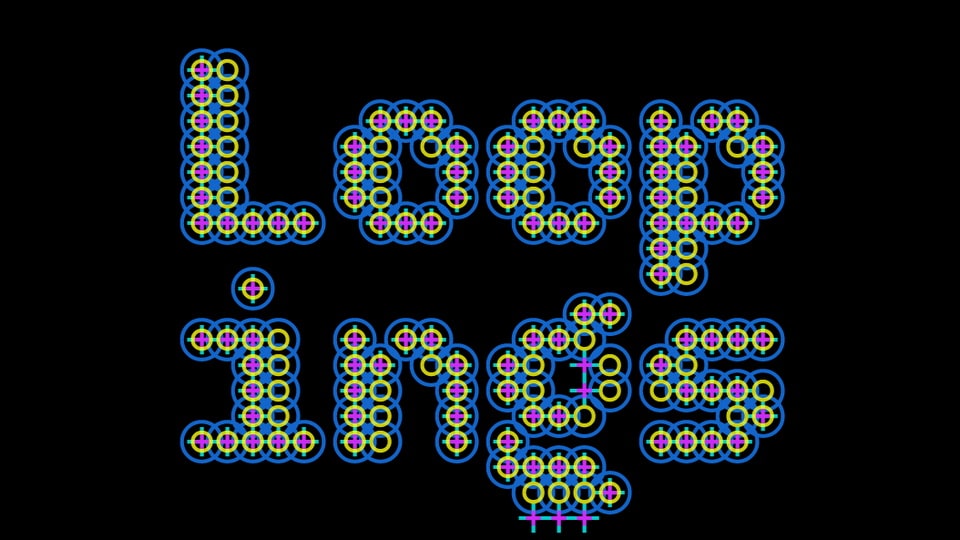
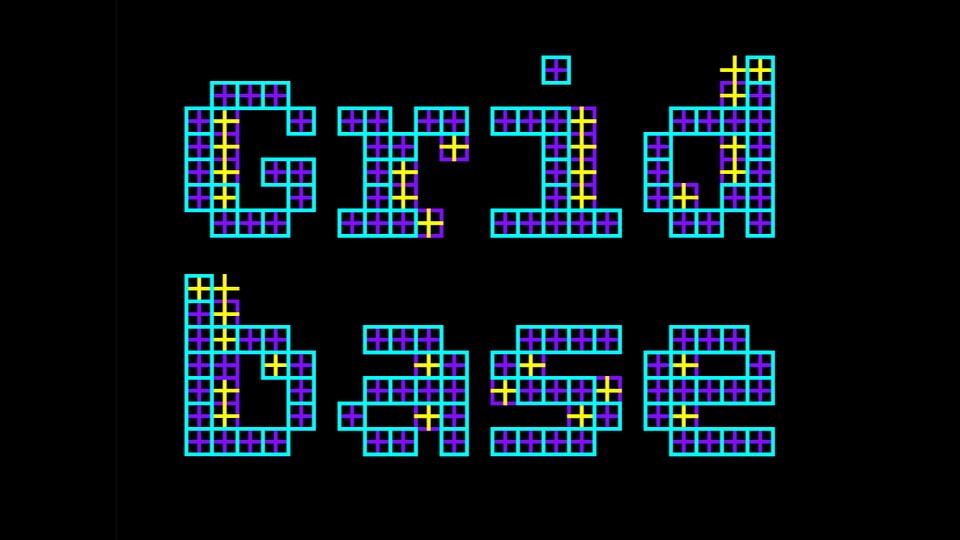
- As decorative type design, e.g. by combining a number of layers, each with their own pixel shape, color and transparency.
- Layers can be used to simulate 3-D effects – suggesting shadow and globes with highlights – by not centering them on purpose.
- As type design for usage in hardware devices (such as running led-displays) where there is very limited space, or if there is a fixed grid.
- As display type in very small sizes in very low resolution or as hard-core bitmaps fonts, e.g. to build into low-resolution devices, such as displays and printers.
- As template for physical type, e.g. with lego-bricks, flower-pots or lights behind a grid of windows in a building.


